8902235337
How Much Does IVF Cost In Kolkata? Everything You Need To Know
July 24, 2026
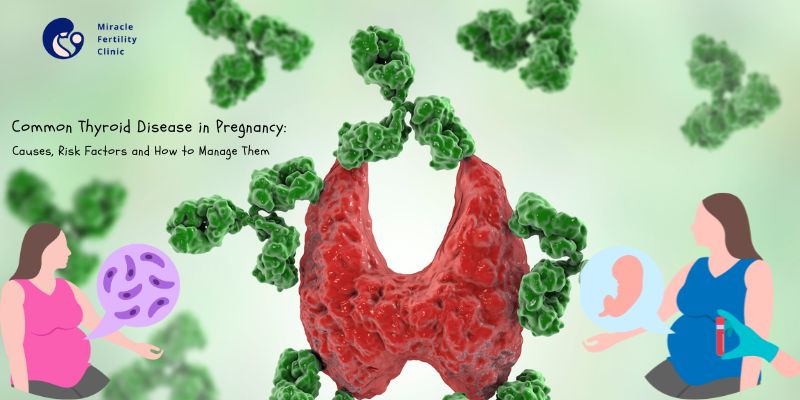
Are you suffering from thyroid problems, and also appear to be pregnant? During pregnancy, the female body goes through many physical and mental changes due to various hormonal changes occurring within the body. The thyroid gland plays an important role during pregnancy. Located in the neck, this small-sized, butterfly-shaped gland produces thyroid hormones that regulate energy, metabolism, and even fetal development. In case of thyroid disease during pregnancy, both mothers and babies can be affected. Naturally, it is important to be aware of the disease and manage it on time, to ensure a healthy pregnancy.
These are some of the common thyroid disorders that can complicate pregnancy.
This thyroid condition arises when the thyroid gland is unable to produce enough thyroid hormones. If hypothyroidism occurs during pregnancy, it can increase the risk of preeclampsia, miscarriage, and developmental problems in the baby. Often, this thyroid problem arises due to Hashimoto’s thyroiditis and other autoimmune conditions.
Hypothyroidism arises from an overactive thyroid gland that releases an excessive amount of thyroid hormone. This can lead to problems like low birth weight, preterm birth, and high blood pressure. Graves’ disease is the commonest cause of hyperthyroidism during pregnancy.
The condition is marked by a swelling of the thyroid gland after childbirth. It can start with the symptoms of hyperthyroidism, followed by hypothyroidism symptoms. In most women, the condition goes away on its own, although some women may suffer from permanent thyroid dysfunction.
At times, the symptoms of thyroid disease can be confused with normal changes that happen during pregnancy. You should look for:
These include cold sensitivity, depression, dry skin, constipation, fatigue, and weight gain.
You may suffer from weight loss, sleeping difficulties, sweating, nervousness, and rapid heartbeat.
Women who develop thyroid issues after childbirth can feel unusually tired or suffer from palpitations and mood swings.
You should immediately talk to your healthcare provider if you begin to experience any of these symptoms.
Your risk of developing thyroid disease during pregnancy can be increased by several factors, such as:
Thyroid function can also be affected by hormonal changes occurring during pregnancy. This is particularly visible in women who are already predisposed to thyroid issues.
In mothers, uncontrolled thyroid disease can increase the risk of
Babies can also be at high risk. Maternal thyroid imbalance can lead to
Thyroid hormones are vital for brain development in the fetus, particularly in the first trimester.
All pregnant women are not recommended to go for a routine thyroid disease screening. However, this is advisable for women with risk factors. Diagnosis is generally carried out through blood tests that aim to measure:
The reference ranges for such tests may be adjusted by your doctor during pregnancy for reflecting normal physiological changes.
How to Manage Thyroid Disease during Pregnancy?
Typically, a synthetic thyroid hormone known as levothyroxine is used to treat Hypothyroidism. Often, doctors need to adjust the dosage during pregnancy.
Antithyroid medications like propylthiouracil (PTU) may be used to manage Hyperthyroidism in the first trimester. In later trimesters, methimazole can be the medication of choice.
After every 4–6 weeks, regular monitoring can be done to maintain hormone levels within a safe range.
It is a good idea to add iodine-rich foods like eggs, dairy, and iodized salt into your daily diet. Before you take supplements, consult your doctor.
Do not have an excess of soy and cruciferous vegetables that may interfere with your thyroid function.
Try yoga or meditation to manage stress and stay physically active throughout your pregnancy.
You should consult an endocrinologist if you suffer from acute or persistent symptoms, happen to be planning pregnancy and have already been diagnosed with thyroid issues, or are facing challenges in managing your hormone levels during pregnancy.
Visit to a specialist is also advisable if you have a personal or family history of thyroid disease. With early intervention, doctors can prevent complications for both babies and mothers.
It can be challenging to manage thyroid disease in pregnancy. However, you can manage it effectively if you have the right knowledge and go for early screening and treatment. Whether you are already pregnant or are planning to conceive, consult with your healthcare provider and discuss if you need thyroid screening. In some cases, thyroid issues may require the treatment of high-risk pregnancy to ensure the safety of both mother and baby. With foreknowledge and a proactive approach, you can ensure the best outcomes for yourself as well as your baby.

July 23, 2026
September 30, 2025