8902235337
Risk Factors for Hydatidiform Mole: Age, History, and Nutrition
April 24, 2026
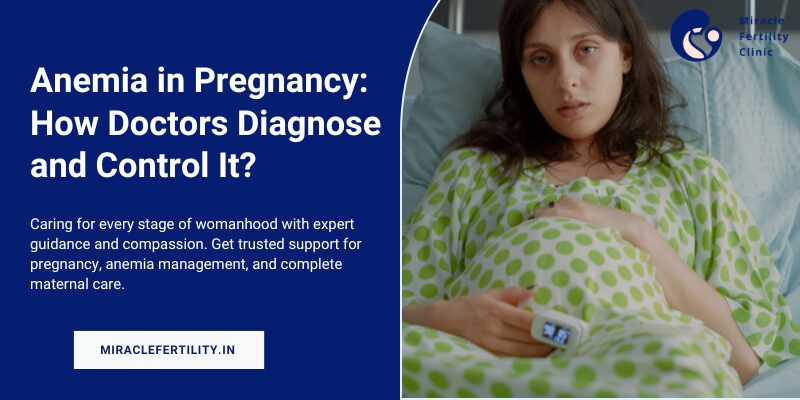
Pregnancy can be quite a difficult time for the body of a woman. This is the time when the female body has to work harder to support both the mother and the developing baby. Anemia is one of the most common health concerns during this period. In this condition, the body does not have a sufficient amount of healthy red blood cells for effective transportation of oxygen.
During pregnancy, anemia is generally caused by iron deficiency. However, it can also arise due to low levels of vitamin B12 or folic acid. If left untreated, it can result in fatigue, vertigo, and other complications during pregnancy. In such cases, consulting an infertility specialist in Kolkata along with proper medical care can help ensure better maternal health. Find out how doctors can diagnose and manage anemia effectively, using various medical approaches.
Hemoglobin blood test is the first and most essential step for the diagnosis of anemia during pregnancy. Doctors measure the hemoglobin level in blood during regular prenatal check-ups.
Hemoglobin is the protein that is responsible for transporting oxygen throughout the body. If hemoglobin levels drop below the recommended range, anemia is suspected. Generally, it is carried out during the first trimester and then repeated again during pregnancy, to monitor the health of mothers. With early detection, doctors can start treatment fast, especially when supported by high-risk pregnancy treatment in Kolkata to ensure proper care. They can prevent the condition from getting severe.
With a Complete Blood Count (CBC) test, physicians can obtain more detailed information about the blood of expecting mothers. They can measure the exact number of white blood cells, red blood cells and platelets. They can also make a proper assessment of the structure and size of red blood cells.
It can also be easier to identify the specific type of anemia that a woman may be suffering from. For example, smaller red blood cells often indicate iron deficiency anemia. However, folic acid or vitamin B12 deficiency may be indicated by the presence of larger ones. In many cases, visiting an ultrasound clinic in Kolkata along with regular testing can support better monitoring during pregnancy. Doctors can recommend the most suitable treatment when they identify the exact cause.
Iron deficiency may not be the only cause of anemia in women, pregnant or otherwise. Naturally, doctors may carry out additional tests to check:
Through all these tests, they can determine whether the anemia is caused by inadequate nutrition, poor iron absorption, or any other underlying problem.
Doctors can come up with a more targeted treatment plan when they understand the root cause of anemia. For instance, doctors may recommend supplementation if a woman has low iron stores. In such situations, guidance from an infertility clinic in Kolkata, along with proper medical advice can help ensure better care. In case of folic acid deficiency, different nutritional support may be required.
Once doctors diagnose anemia, they usually recommend iron supplements in the primary treatment stage. Supplements like these help to increase hemoglobin levels and can boost oxygen supply to the body.
Often, pregnant women are recommended to take iron tablets along with foods that are rich in vitamin C. These tablets can help their body to absorb iron more effectively. If doctors diagnose moderate or severe anemia, they may consider intravenous (IV) iron therapy or prescribe higher doses of iron. Through regular monitoring, they can ensure that the treatment is working and that hemoglobin levels are going back to normal.
Anemia during pregnancy is more common than you may think. However, when detected early, it can be managed properly. If you are suffering from anemia and are expecting childbirth, it is important for you to consult the Best Gynecologist in Santoshpur immediately to protect your well-being as well as the health of your baby.
March 22, 2026